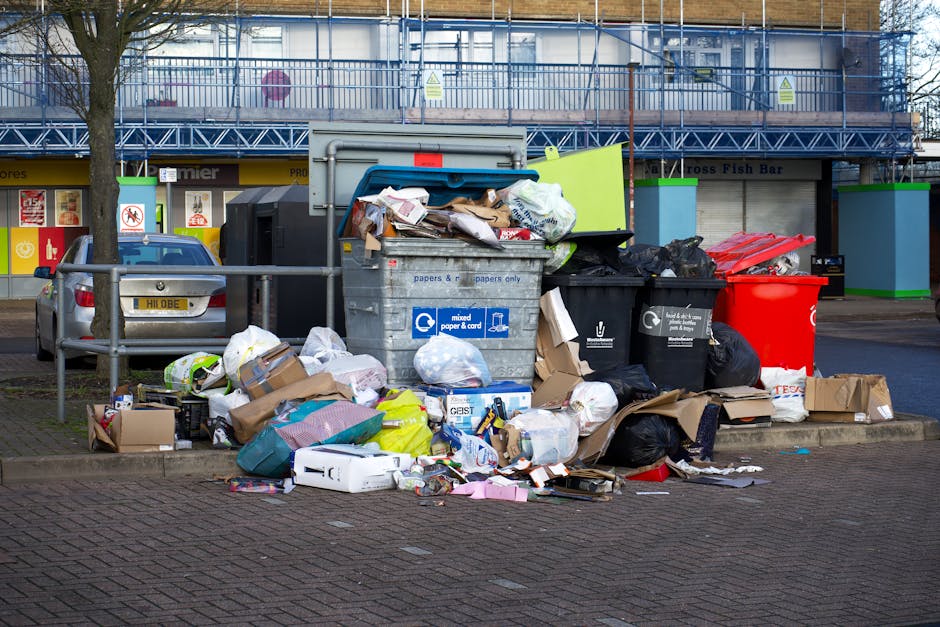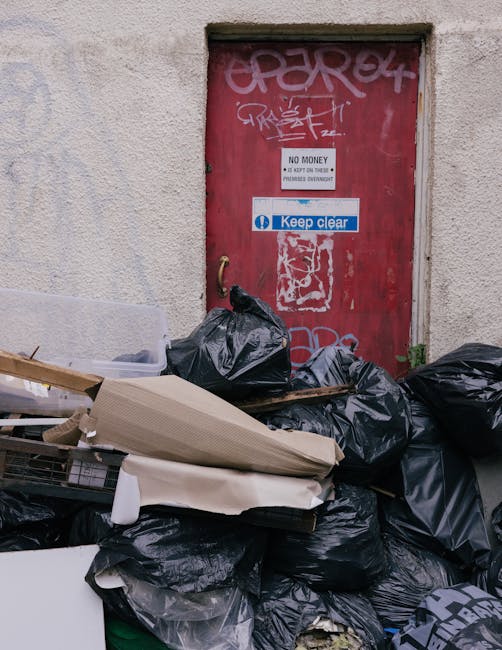
Rubbish removal near Rio Cinema Dalston Kingsland: a practical local guide
If you are trying to organise rubbish removal near Rio Cinema Dalston Kingsland, you are probably not looking for theory. You want the pile gone, the pavement clear, and the whole thing handled without hassle. Maybe it is a post-renovation mess, a flat full of bulky items, or just the sort of odd collection of bags, broken furniture, and forgotten clutter that builds up quietly until one day it feels impossible to ignore. That is exactly where a sensible clearance plan helps.
This guide explains how local rubbish removal typically works, what to expect, what to avoid, and how to choose the right service for a busy part of Dalston. It also covers the kind of practical details people wish they had known sooner: access issues, recycling expectations, restricted waste, timing, and how to keep the job straightforward from start to finish.
Why rubbish removal near Rio Cinema Dalston Kingsland matters
Dalston is lively, dense, and rarely quiet for long. Around Rio Cinema and Kingsland, streets can be busy with deliveries, pedestrians, parked cars, and all the usual stop-start rhythm of inner London. That matters because rubbish removal is not just about lifting items into a truck. In a tight urban setting, the real challenge is doing it cleanly, safely, and quickly without disrupting neighbours or blocking access.
There is also the practical side. Leftover waste attracts complaints, can make shared entrances awkward, and can turn a tidy property into a stressful one in a matter of hours. In a flat above shops, a converted terrace, or a small business unit, the space you lose to waste is often more valuable than the waste itself. Let's face it, nobody wants a hallway acting like a storage room for old furniture and bagged junk.
Another reason this local service matters is consistency. A good rubbish removal team understands that not every job is a simple load-and-go. One job might involve a single sofa and a mattress. The next could involve a loft full of mixed items, some recyclable, some not, and some needing special handling. The better the service, the less you have to explain twice.
For readers comparing clearance options, the range of services often matters more than the headline phrase "rubbish removal." If you are dealing with a whole flat, you may need flat clearance. If it is old household clutter, home clearance or house clearance may fit better. Bulky items? You may be looking at furniture disposal or mattress and sofa disposal instead.
How rubbish removal near Rio Cinema Dalston Kingsland works
Most rubbish removal jobs follow a simple flow, even if the site itself is a little awkward. First, you explain what needs to go. Then the team estimates the load, timing, and access requirements. On the day, they arrive, assess the items, load them, and clear the area so you are not left with half-finished mess. Sounds simple. Sometimes it is. Sometimes the third-floor landing, narrow stairwell, and parked car outside make things more interesting.
For local clearances, access can shape everything. If the property is near Kingsland High Street or close to the station, you may have limited kerb space, short loading windows, or tight stair access. That is why it helps to be specific when you describe the job. Mention whether items are upstairs, whether there is a lift, whether the waste is bagged, and whether there are any heavy items such as fridges or wardrobes.
A proper service should also think about sorting. Mixed rubbish is often separated into reusable, recyclable, and residual waste streams where possible. That is not just a nice extra. It is part of responsible waste handling and helps reduce what ends up in disposal facilities. If sustainability matters to you, you may also want to review recycling and sustainability practices before booking.
In many cases, rubbish removal is faster than waiting for other disposal methods because the collection is done for you. No hiring van, no lifting nightmare, no guessing where everything should go. If you want a broader overview of how removal services can fit together, the main waste removal page is a useful place to compare service types.
Key benefits and practical advantages
The most obvious benefit is time. Clearing waste yourself can take an entire day, especially if there are stairs, parking issues, or more than one type of item. A professional collection shortens that process dramatically. You make one call or enquiry, and the heavy work is handled in a single visit.
Another major benefit is safety. Broken furniture, old appliances, and awkward loads can all cause injuries if they are dragged, tipped, or carried the wrong way. Good clearance work reduces that risk. In our experience, people often underestimate how slippery, splintery, or simply awkward a "quick tidy-up" can become once the lifting starts.
There is also peace of mind. You know the waste is being handled by people who do this day in, day out. That matters with items like appliances, confidential papers, or anything that should not be thrown out casually. If you need secure document disposal, for example, confidential shredding is a far better fit than stuffing papers into a general bag.
Other practical advantages include:
- Less disruption in shared hallways and communal areas
- Faster turnaround for landlords, tenants, and businesses
- Cleaner handovers during moves or refurbishments
- Better sorting for recyclable materials
- Less risk of illegal dumping or missed items
For homes with furniture to remove, services such as furniture clearance and furniture disposal can be especially helpful when you do not want to dismantle everything yourself. And if appliances are involved, fridge and appliance removal keeps the process more controlled.
Who this is for and when it makes sense
Rubbish removal near Rio Cinema Dalston Kingsland is useful for all sorts of people. It is not just for landlords or builders. In fact, many of the most common requests come from ordinary situations: a flat refresh, a move, a small office clear-out, or an inheritance property that needs sorting out gently and efficiently.
It makes sense if you are:
- Moving out and need a last-minute clearance
- Clearing a rental property for new tenants
- Replacing old furniture or appliances
- Dealing with loft, garage, or garden clutter
- Running a business that has accumulated packaging or surplus stock
- Managing refurbishment waste from light building work
If you are a landlord, flat clearance can be the better fit after a tenancy ends. If you are a homeowner dealing with years of accumulated items, loft clearance or garage clearance may be more relevant. And for businesses, business waste removal is usually the most sensible route.
One useful way to think about it: if the waste is too bulky, too much, or too awkward for a normal trip to the tip, a removal service is probably worth it. If you have only a few small bags and a free day, maybe not. No need to overcomplicate it.
Step-by-step guidance
A good rubbish removal experience starts before the team arrives. A bit of preparation goes a long way, especially in a busy part of Dalston where access can be tight and every minute counts.
- Identify what needs to go. Walk through the property and separate rubbish, reusable items, and anything you might want to keep. Be honest here. Half the time, the surprise item is the one you forgot was in the corner by the radiator.
- Group similar items together. Put bags in one place, furniture in another, and appliances somewhere accessible. If there are sharp objects or broken glass, secure them carefully.
- Check access. Note stairs, lifts, narrow hallways, resident permit issues, and any loading restrictions. If a van cannot pull up close, the job may take longer than expected.
- Flag anything unusual. This includes fridges, paint tins, chemicals, or items that may need special handling. If in doubt, ask before collection.
- Request a clear quote. A good quote should reflect the amount of waste, labour involved, and any access challenges. You can review pricing and quotes to understand how estimates are usually approached.
- On the day, keep pathways open. It makes the job faster and safer. A clear route also reduces the risk of bumping walls or scuffing communal areas.
- After the collection, check the space. Look in cupboards, behind doors, and under shelves. People are very good at leaving one last item behind. Very good, annoyingly.
If the clearance involves a whole property rather than just loose waste, it may be better to book house clearance, home clearance, or even office clearance depending on the setting. Matching the service to the job is half the battle.
Expert tips for better results
There are a few small things that make a surprisingly big difference. First, be precise about volume. "A bit of rubbish" is harder to quote for than "six black bags, one wardrobe, two bedside tables, and a washing machine." The more concrete you are, the smoother the experience.
Second, think about timing. If your building is busiest in the morning, a midday collection may be less disruptive. If parking near Rio Cinema or nearby side streets is tight, it may be worth choosing a quieter slot. Small choice, big relief.
Third, do not leave sorting until the last minute. If you have mixed waste, separate anything you know should not be thrown into the general pile. That includes batteries, chemicals, and items that may need specialist disposal. For those cases, hazardous waste disposal is the safer route.
Fourth, if the job includes heavy items, mention them early. Sofas, fridges, freezers, and old gym equipment are all manageable, but they need the right handling. For bulky household items, mattress and sofa disposal is a useful service category to know about.
Expert summary: the best rubbish removal jobs are usually the ones that are planned just enough. Clear access, accurate item descriptions, and the right service type make the whole process calmer, quicker, and far less stressful than people expect.
And one more thing: if you are choosing between "just do it ourselves" and a proper clearance team, remember to value your own time honestly. A cheap solution that eats an entire Saturday, two sore shoulders, and a parking headache is not always cheap in real life.
Common mistakes to avoid
The first common mistake is underestimating the amount of waste. It is very easy to look at a room and think, "That will fit in a couple of bags." Then the cushions come off the sofa, the cupboard contents appear, and suddenly the pile has grown legs. A proper walk-through before booking avoids that.
The second mistake is ignoring access details. In Dalston, access matters. Parking can be awkward, stairwells can be tight, and shared entrances are not ideal for blocking. If the team arrives expecting a ground-floor pickup and finds three flights of stairs, that can change the cost and timing.
The third mistake is forgetting about restricted items. Not everything can go in a standard rubbish load. Fridges, electricals, sharp waste, paint, solvents, and similar materials may need separate handling. If you are unsure, check in advance rather than guessing. Guessing rarely goes well, to be fair.
The fourth mistake is choosing a provider purely on speed or price without checking whether the service suits the job. A cheap quote can be misleading if it does not include labour for stairs, sorting, or heavy lifting. Good value is not just the lowest number; it is the cleanest outcome with the least stress.
Finally, people sometimes forget that good waste handling has a responsibility element. Waste should be dealt with properly, not quietly passed on as someone else's problem. For broader responsible disposal standards, the site's health and safety policy and insurance and safety information are useful indicators of the care a provider should take.
Tools, resources and recommendations
You do not need a toolbox full of specialist kit to prepare for rubbish removal, but a few simple items help. Strong bin bags, tape, labels, a marker pen, gloves, and a torch can make sorting much easier. If you are working in a loft or garage, a dust sheet and a bit of patience help too. Loft dust has a way of getting everywhere. It really does.
For larger jobs, a tape measure is surprisingly useful. If you are unsure whether a sofa, mattress, or wardrobe will fit through a stairwell or doorway, measure it before the collection day. That tiny bit of effort can prevent awkward lifting and last-minute dismantling.
Here are a few useful service pages to keep in mind when matching the job to the right solution:
- Furniture clearance for mixed household pieces
- Garage clearance for stored clutter and old equipment
- Garden clearance for soil, cuttings, and outdoor waste
- Builders waste clearance for renovation leftovers
- Office clearance for desks, chairs, and workplace clutter
If you want to understand the limits of what can be handled in a loading or skip-style approach, what can go in a skip is a helpful reference point for general waste categories. It is not identical to rubbish removal, but it helps with expectations.
Law, compliance, standards, and best practice
Waste work in the UK is not something to treat casually. You do not need to become a legal expert, but you should expect any provider to handle waste responsibly, keep work safe, and manage items in line with accepted practice. That includes correct handling of restricted items, careful loading, and proper disposal routes.
For customers, the main point is simple: ask how waste is handled and whether the provider can manage the type of items you have. If there are hazardous materials, confidential papers, or electrical appliances, tell them in advance. That is not being fussy. It is being sensible.
There is also a duty of care angle in plain English terms. Waste should not disappear into a black hole. It should be transported and processed by people who understand what they are taking and where it should go. A provider with clear policies on safety, payments, complaints, and responsible operations is usually easier to trust than one that answers everything vaguely.
For more on the company's general standards and how it presents its operating principles, useful pages include about us, terms and conditions, payment and security, and complaints procedure. Those pages are not there to overwhelm you. They are there so you know the basics are being handled properly.
Options, methods, and comparison table
Different jobs call for different approaches. If you are deciding between rubbish removal, a skip, or a more specialised clearance, this comparison should help. The right choice depends on access, volume, urgency, and what kind of waste you actually have.
| Method | Best for | Advantages | Things to watch |
|---|---|---|---|
| Rubbish removal | Mixed waste, bulky items, quick clear-outs | Fast, hands-off, suitable for stairs and tight access | Needs accurate item details and access info |
| Skip-style approach | Ongoing DIY or renovation waste | Good if you are adding waste gradually | Needs space for placement and loading discipline |
| Flat or house clearance | Whole-property clear-outs | Best for larger domestic jobs | May require more planning and item sorting |
| Furniture or appliance disposal | Single bulky items | Simple for sofas, beds, fridges, and similar items | May involve special handling or separation |
| Business waste removal | Office, retail, or commercial waste | Works well for recurring or larger workplace needs | Useful to check document handling and timing |
A practical rule of thumb: if the waste is already bagged and the access is easy, several methods may work. If the job is awkward, heavy, or time-sensitive, a direct rubbish removal service is usually the cleaner solution.
Case study or real-world example
Here is a realistic local scenario. A tenant in a Dalston flat near Rio Cinema has just moved out. The flat has one sofa, a mattress, two broken shelves, a few bags of mixed waste, and an old fridge in the kitchen. The hallway is narrow, the stairwell is shared, and there is limited parking outside. Nothing dramatic, just a very ordinary London clearance headache.
In that situation, the sensible move is not to try a dozen separate trips. It is to group the items, flag the fridge early, check access, and book the right clearance type. The sofa and mattress can be handled as bulky items, the fridge as an appliance, and the mixed bags as standard rubbish. If the flat also has papers and old personal files, confidential shredding may be worth adding as well.
What usually makes the biggest difference is not brute force. It is sequence. First the easy items go. Then the bulky pieces. Then the awkward final bits. The space opens up quickly, and what looked like a big mess turns into a manageable job. You can almost hear the room breathing again once the last item is out.
That same logic applies to larger domestic clearances too. If you are clearing several rooms, a home clearance or house clearance approach often feels more orderly than trying to treat everything as loose rubbish. It is calmer, and honestly, that matters on a stressful day.
Practical checklist
Use this before booking or on the morning of collection. It keeps things simple.
- List the items you want removed
- Separate rubbish, reusable items, and anything staying behind
- Identify any heavy, awkward, or fragile pieces
- Check whether anything needs special handling
- Measure large items if access looks tight
- Confirm stairs, lifts, parking, and loading access
- Keep pathways and entrances clear
- Ask about recycling or sorting if sustainability matters to you
- Prepare payment details and booking information
- Do one final room check before the team leaves
If you are dealing with a larger declutter, the same checklist works well for garage clearance, loft clearance, or even a full house clearance. The setting changes, but the method is mostly the same.
Conclusion
Rubbish removal near Rio Cinema Dalston Kingsland is really about making a busy local job feel manageable. Whether you are clearing one bulky item or a whole property, the process works best when you match the service to the waste, explain access clearly, and choose a provider that handles disposal responsibly. A little preparation saves a surprising amount of stress.
The good news is that most clear-outs do not need to become a huge project. Once the right plan is in place, the space opens up, the pressure lifts, and the job moves from "I really need to deal with this" to "that is done now." And that feeling, if you have ever had it, is hard to beat.
If you are comparing options or simply want a clearer idea of what your job involves, explore the service pages that match your situation and use them to shape a more accurate enquiry. That is the quickest route to a smoother, fairer result.
Get a free quote today and see how much you can save.
Sometimes the best home improvement is just getting your space back. Small win, but a real one.
Frequently Asked Questions
What counts as rubbish removal near Rio Cinema Dalston Kingsland?
It usually means collecting and clearing unwanted waste from nearby homes, flats, or businesses in the Kingsland and Dalston area. That can include bagged rubbish, furniture, appliances, mixed clutter, and other non-hazardous waste that is ready to be removed.
Is rubbish removal better than hiring a skip?
It depends on the job. Rubbish removal is often better for awkward access, stairs, bulky items, and quick clear-outs. A skip can make sense for ongoing DIY or refurbishment waste if you have space for it and do not mind loading it yourself.
Can I book rubbish removal for a flat above shops?
Yes, and these are very common in Dalston. The key is to mention stairs, lifts, and access details in advance so the collection can be planned properly. That matters more than people think.
What items are usually removed during a clearance?
Common items include bags of mixed waste, wardrobes, sofas, beds, mattresses, tables, white goods, office furniture, garden debris, and general household clutter. Some specialist items may need separate handling.
Do I need to sort the rubbish before collection?
Not always, but it helps. If you can separate obvious recyclables, furniture, and hazardous items before the team arrives, the job tends to move more smoothly. It also reduces the chance of delays.
How should I prepare for bulky item removal?
Clear a route, check measurements, and tell the provider if the item is upstairs or in a tight space. If the item is especially large, such as a sofa or fridge, mention it early so the right service can be arranged.
What happens if I have hazardous waste?
Hazardous materials should not be mixed into normal rubbish. Things like chemicals, solvents, certain paints, and similar items need a different disposal route. Ask about hazardous waste disposal before the booking.
Is same-day rubbish removal available?
Sometimes, yes, depending on schedule and job size. The smaller and clearer the collection, the easier it is to fit in. If timing matters, be upfront about it when you enquire.
How do I know if a quote is fair?
A fair quote should reflect the amount of waste, the labour involved, the access conditions, and any specialist items. If a quote seems unusually low, check what is included so you are not caught out later.
Can rubbish removal help after a tenancy ends?
Absolutely. End-of-tenancy clear-outs are one of the most common uses for this service. For fuller property clearances, flat clearance is often the better fit.
What is the difference between furniture disposal and furniture clearance?
Furniture disposal usually focuses on individual bulky pieces, while furniture clearance can cover several items or a wider room-by-room clear-out. The right choice depends on how much furniture you need gone.
Do I need to be there when the rubbish is collected?
Usually yes, or at least someone should be available to confirm what is being taken. That avoids mistakes and helps keep the collection accurate. A quick handover is often enough.