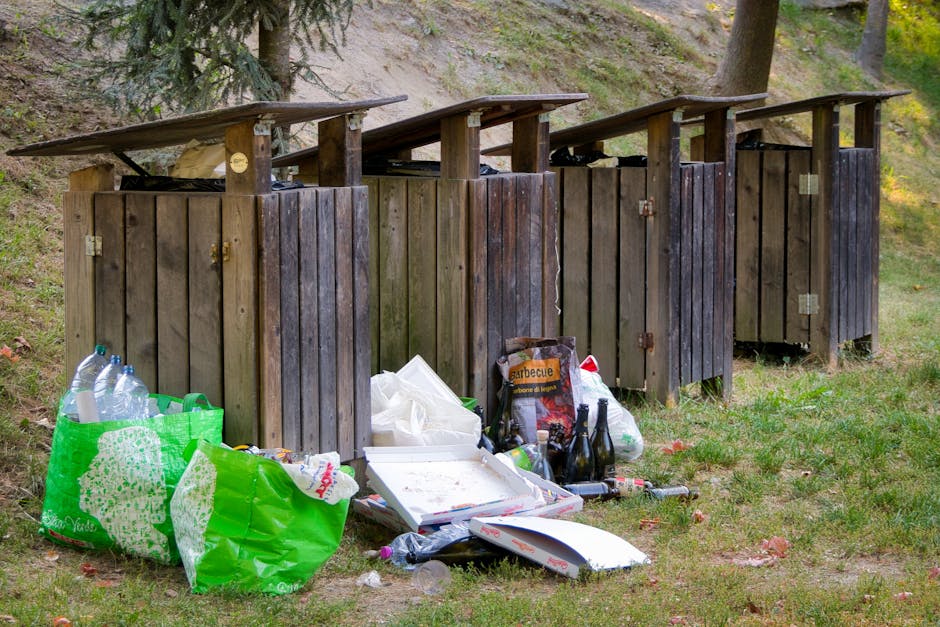
Common problems with bulky rubbish collection in Dalston flats
If you live in a Dalston flat, you probably know the feeling: a sofa blocks the hallway, a broken wardrobe leans against the wall, and nobody quite knows how it is going to get out of the building. That is exactly where the common problems with bulky rubbish collection in Dalston flats start to show up. Access is tight, neighbours are close, stairwells are awkward, and one missed detail can turn a simple collection into a proper headache.
In this guide, we will walk through what typically goes wrong, why it matters, and how to handle bulky waste in a way that is safer, tidier, and less stressful. You will also find practical steps, a comparison table, a checklist, and a realistic example from a flat-building scenario. Truth be told, a lot of the stress comes from the logistics, not the rubbish itself.
Table of Contents
- Why this matters in Dalston flats
- How bulky rubbish collection usually works
- Key benefits and practical advantages
- Who this is for and when it makes sense
- Step-by-step guidance
- Expert tips for better results
- Common mistakes to avoid
- Tools, resources and recommendations
- Law, compliance, standards, and best practice
- Options, methods, and comparison
- Case study or real-world example
- Practical checklist
- Conclusion
- Frequently asked questions
Why Common problems with bulky rubbish collection in Dalston flats Matters
Bulky waste sounds straightforward until you try to move a sofa down a narrow staircase in a converted Dalston terrace at 7:30 on a weekday morning. Then the reality lands. Flats tend to create complications that houses simply do not: limited access, shared entrances, limited storage space, and often a few layers of management before anything can leave the building.
For residents, the issue is not just inconvenience. Delays can create fire escape risks, block communal areas, attract complaints from neighbours, and make the building look neglected. For landlords, letting agents, and managing agents, the stakes are even higher because poor waste handling can lead to avoidable disputes and extra costs. For tradespeople and movers, a bad bulky waste setup can eat into the whole day.
Dalston adds its own flavour to the problem. The area has plenty of older conversions, mixed-use buildings, and compact apartment blocks where lifts are small or missing altogether. Add on-street parking pressure and busy local roads, and even a simple collection can become fiddly. Not impossible. Just fiddly. And in London, fiddly turns expensive quickly.
Expert summary: In Dalston flats, the biggest bulky waste problems usually come down to access, communication, timing, and shared responsibility. Sort those four things early and everything tends to go more smoothly.
How Common problems with bulky rubbish collection in Dalston flats Works
Bulky rubbish collection is the removal of large items that do not fit into normal bins. In flats, that often includes mattresses, wardrobes, broken chairs, sofas, bed frames, appliances, and sometimes mixed household junk from a clear-out. Depending on the provider or route you choose, items may be collected from inside the flat, from a communal area, or from a pre-agreed point outside the property.
In practice, a proper collection usually involves a few stages:
- Identifying what needs to go and separating bulky items from general waste.
- Checking access: stairs, lifts, door widths, parking, and collection points.
- Confirming whether the items need dismantling first.
- Making sure the building rules allow the collection time and route.
- Loading and removal, followed by sorting for reuse, recycling, or disposal.
That sounds neat on paper. Real life is messier. The main problems often show up when one part of the process is assumed rather than confirmed. A mattress may be too large for the lift. A parking bay may not be available. The caretaker may not be on site. Or someone may leave bulky waste in the communal hallway "just for a minute" and then forget about it for two days. That last one happens more than people admit.
Some residents try to solve the issue by using a skip, but in flats that can be a poor fit if there is no suitable place to drop it, no permit arranged, or no permission from the building manager. Others rely on ad hoc informal disposal, which often creates more problems than it solves. A structured collection is usually better, but only if the building logistics are handled properly.
Key Benefits and Practical Advantages
When bulky rubbish collection is planned well, the benefits are more than just getting rid of old furniture. You reclaim space, reduce trip hazards, and avoid the slow buildup of clutter that can make a flat feel cramped and tired. In a compact Dalston home, that matters a lot.
Here are the practical advantages most people notice:
- Safer shared areas: no sofas blocking hallways or mattresses leaning near exits.
- Less stress: you are not improvising on the day.
- Better neighbour relations: fewer complaints about noise, mess, or obstruction.
- More efficient loading: items leave the building faster when access is planned.
- Cleaner recycling outcomes: useful items can often be separated from general waste.
There is also a quieter benefit: the flat feels more liveable. A cleared room looks brighter, smells fresher, and is easier to clean. People underestimate that. You open the windows, hear the street again, and suddenly the place feels less boxed in. A small win, but a real one.
For landlords and agents, the advantage is simpler too: fewer complaints and less back-and-forth when a tenancy changes. If a flat needs to be turned around quickly, that time saved can be very handy. And let's face it, time is the thing everyone thinks they have until they don't.
Who This Is For and When It Makes Sense
This topic matters to a few different groups, and each one faces slightly different issues.
- Tenants: especially when moving out, replacing furniture, or sharing a flat and trying to clear someone else's old items.
- Landlords: when a tenancy ends and bulky items are left behind.
- Managing agents and freeholders: where communal storage or hallway obstruction becomes a recurring issue.
- Homeowners in converted flats: especially in older buildings with awkward access and limited parking.
- Small businesses or live-work units: where office chairs, shelving, or old fixtures need removing discreetly.
It makes sense when you have one or two large items, or a roomful of mixed bulky waste, and you want a clean, organised removal without turning the whole building upside down. It is also sensible when you need to avoid lifting heavy items yourself. A broken wardrobe might look manageable until you reach the second landing. Then it is a different story.
If you are deciding whether to schedule a collection, ask yourself: can this be moved safely, legally, and without upsetting the building? If the answer is "probably not," that is usually your sign.
Step-by-Step Guidance
Here is a practical way to deal with bulky waste in a Dalston flat without overcomplicating it.
1. Make a clear item list
Walk through the flat and write down every bulky item. Be specific. "Old furniture" is not much help. "One three-seater sofa, one dismantled wardrobe, one broken desk, one mattress" is much better. If there are appliance items, mixed waste, or anything awkward, note that too.
2. Check what can be reused, donated, or recycled
Not every bulky item needs disposal. Some furniture can be reused, and some materials can be recycled if they are separated properly. Even if you are not planning a donation route, it is worth separating clean, usable items from damaged waste. Saves time later.
3. Measure access points
Measure the lift, stair turns, doorways, and any tight landings. In flats, the actual problem is often not the item itself but the route out. If a sofa will not turn the corner without damage, you need to know before collection day. A tape measure now can spare a lot of muttering later.
4. Check building rules and timings
Some blocks have quiet hours, delivery windows, or requirements to book the lift or notify the concierge. If there is a building manager, let them know what is happening. If not, tell neighbours if there is likely to be noise or brief obstruction. A quick message can prevent a complaint.
5. Dismantle where needed
Flat-pack furniture, beds, and some tables move more easily when broken down. Remove drawers, legs, and loose parts. Keep screws or brackets in a bag if you need to reassemble anything or if the item may be reused. It is not glamorous work, but it helps a lot.
6. Place items sensibly before collection
Do not leave bulky waste in a fire exit or across communal access routes. If items must be staged, keep them in a permitted area and make sure they are clearly arranged for easy loading. The idea is to help the collection, not create a mini obstacle course.
7. Confirm the disposal route
Ask where the items are going in broad terms: reuse, recycling, or disposal. If you are working with a responsible provider, they should be able to explain the process clearly. You do not need a lecture, just a straightforward answer.
8. Keep the space clear after removal
Once the bulky items are gone, tidy up the room and communal route straight away. Small bits like packaging, dust, and fittings are easy to miss. A quick sweep makes the place feel finished rather than half-done.
Expert Tips for Better Results
There are a few practical tricks that make a noticeable difference in flat collections. None are dramatic. All are useful.
- Book for a realistic time window: if your block gets busy in the morning, a mid-morning slot may reduce conflict with commuters and lift use.
- Photograph the items and access route: this helps avoid surprises on the day and keeps everyone on the same page.
- Keep one person responsible: if five people are involved, things get fuzzy. One contact is easier.
- Think about noise: dragging furniture down stairs can echo in older buildings. Soft planning is better than apologising afterwards.
- Label anything that should not go: especially if multiple household members are sorting things at once.
One small but useful habit is to start with the hardest item first. If the sofa will not fit, you find that out before the rest of the collection is staged. Better to know early than to discover it while the hallway is already crowded. Been there, regretted it.
Another good move is to check for hidden weight. Cabinet doors, drawers, and waterlogged items can weigh more than they look. The item may look lightweight, but it is often lying to you.
Common Mistakes to Avoid
Most bulky rubbish problems in flats are not caused by the items themselves. They come from avoidable mistakes.
- Leaving everything until the last day: this is the classic one. The plan only appears to exist right up until it doesn't.
- Ignoring access restrictions: a collection vehicle is no use if it cannot park safely or get close enough.
- Forgetting communal areas: hallways, lobbies, and stairwells matter because they are shared spaces and often governed by building rules.
- Mixing prohibited materials with ordinary furniture: some items need separate handling, especially if they involve chemicals, damaged electrical parts, or potentially hazardous contents.
- Assuming someone else will sort it: in flat-share situations, this is where arguments begin. Quietly. Then louder.
- Using the wrong disposal route for the item: not everything belongs with normal household bulky waste.
A common Dalston-specific issue is parking pressure. If the vehicle cannot pause nearby, the whole operation gets slower. Another is access through shared entry doors that self-close or require buzz-in arrangements. That extra minute at the door becomes ten, then twenty. Not ideal.
Tools, Resources and Recommendations
You do not need a warehouse of equipment to handle bulky rubbish properly, but a few basic tools help a lot.
- Measuring tape: for doors, lifts, corridors, and the item itself.
- Gloves: for dusty, rough, or splintered furniture.
- Strong tape and labels: useful for separating screws, detachable parts, and items that should stay with one another.
- Furniture sliders or a sack truck: helpful in some buildings, though only if the route is suitable.
- Dust sheets or old blankets: useful when moving items through tight internal spaces.
For broader household clear-outs, you may also find it helpful to look at related services such as flat clearance, furniture clearance, or mattress and sofa disposal. If your bulky waste is part of a larger change, home clearance may be more practical than piecing it together item by item.
For heavier, awkward, or mixed loads, waste removal can be the simplest route. If you are dealing with broken appliances, fridge and appliance removal is worth considering because white goods usually need careful handling. And if there is office furniture or commercial overflow involved, business waste removal may be the better fit.
Law, Compliance, Standards, and Best Practice
For bulky rubbish in flats, the main compliance issue is making sure waste is handled responsibly and safely. The exact rules can vary depending on the building, the waste type, and who is doing the work, so it is wise to be cautious rather than casual.
From a practical standpoint, a few standards of good behaviour matter most:
- Do not block fire exits, corridors, or escape routes.
- Do not leave waste in shared areas longer than necessary.
- Separate potentially hazardous items from ordinary bulky waste.
- Make sure any contractor is insured and follows sensible handling practices.
- Check the property's own rules if you live in a managed block or conversion.
If you are unsure whether an item is safe to include in a standard collection, ask first. That matters especially for items that could involve sharp components, damaged electrical parts, or unusual contents. In our experience, the best jobs are the ones where everyone is clear before anyone starts lifting.
It is also sensible to think about sustainability. Reuse and recycling should be considered before disposal where practical. If a service explains how it sorts waste and what it does with reusable items, that is a good sign. If the explanation is vague, that is worth a pause.
Options, Methods, and Comparison
There is no single right way to handle bulky rubbish in a Dalston flat. The best choice depends on access, volume, urgency, and the type of items involved.
| Method | Best for | Strengths | Limitations |
|---|---|---|---|
| DIY disposal | Very small loads and simple access | Low direct cost, full control | Time-consuming, physically demanding, may be awkward in flats |
| Flat clearance service | Multiple bulky items or full-room clear-outs | Efficient, less lifting, suitable for complex access | May cost more than DIY |
| Targeted furniture removal | Single items like sofas, beds, or wardrobes | Focused, tidy, quicker for one-off pieces | Less suitable for mixed or large loads |
| General waste removal | Mixed bulky waste and household clutter | Flexible, practical, often fast | Needs clear item sorting beforehand |
| Skip hire | Ground-floor access or large renovation clear-outs | Handy for volume | Can be awkward in flats, may need permissions or space |
For flats, the most efficient choice is often a service that handles the lifting and the logistics rather than just the disposal. A skip can sound simple, but if your building has no safe place for it, the idea loses appeal fast. The cheapest option on paper is not always the cheapest option in reality.
If the bulky waste includes renovation debris, you may also want to consider builders waste clearance. That is especially relevant if new furniture, flooring, or repairs have generated extra material alongside the bulky items.
Case Study or Real-World Example
A typical Dalston flat scenario goes like this. A tenant is moving out of a two-bedroom flat in a converted Victorian building. There is an old sofa, a dismantled bed frame, two office chairs, and a wardrobe that will not fit through the bedroom door in one piece. The hallway is narrow, the stairwell turns sharply, and the building has a shared front entrance used by several households.
At first glance, it seems like a quick job. In practice, the issues stack up:
- The sofa is too bulky to turn the landing corner.
- The bed frame needs fully dismantling before removal.
- The building manager wants advance notice for access.
- Street parking is limited, so timing matters.
- The tenant is also trying to hand back the keys the same afternoon.
The cleanest solution is to separate the items early, dismantle what can be dismantled, and arrange a collection window that fits the building's access pattern. Once the route is clear and the items are grouped near the exit, the removal itself becomes much simpler. What took the most effort was not the lifting. It was the organising. That tends to be the case, honestly.
In this kind of setup, people often realise that an empty flat is easier to hand over than one that has been half-cleared in a rush. The room looks calm again. The echo changes. Even the air feels less cluttered.
Practical Checklist
Use this checklist before arranging bulky rubbish collection in a Dalston flat.
- List every bulky item clearly.
- Measure doorways, stairs, and lift access.
- Check the building's rules and any booking requirements.
- Separate reusable items from waste.
- Dismantle furniture where possible.
- Confirm where items should be placed for collection.
- Keep communal routes clear and safe.
- Identify anything hazardous or unusually heavy.
- Arrange parking or access support if needed.
- Schedule enough time for moving, not just removal.
- Take photos if the access route is tight or complicated.
- After collection, sweep up and clear any fixings or debris.
If you can tick most of these off, you are in good shape. If several are missing, slow down and sort the details first. It will save you hassle later.
Conclusion
The common problems with bulky rubbish collection in Dalston flats usually come down to a few repeat issues: poor access, limited space, shared-building complications, and rushed planning. None of those are unusual. They are just easy to underestimate.
The good news is that most of them can be managed with a little preparation. Measure the route. Know the item list. Respect the building. Choose the right method for the job. Small steps, but they make a big difference. And once the bulky waste is gone, the flat feels lighter in a way that is hard to describe until you notice it for yourself.
If you are weighing up the easiest route for your own flat, take a practical approach rather than a rushed one. A calm plan now is worth more than a scramble on collection day.
Get a free quote today and see how much you can save.
Frequently Asked Questions
What are the most common problems with bulky rubbish collection in Dalston flats?
The biggest issues are tight access, narrow stairwells, lift restrictions, parking pressure, and shared areas that make it hard to move items out safely.
Can I leave bulky items in a communal hallway before collection?
Usually, no. Shared hallways should stay clear because they can block access and create safety issues. Check your building rules and keep items out of escape routes.
Do I need to dismantle furniture before collection?
Not always, but it often helps. Beds, wardrobes, and some tables are easier to remove when broken down into smaller parts.
Is skip hire a good option for Dalston flats?
Sometimes, but not always. Skips can be awkward in flat settings if there is no safe place to put them or if access is too limited. A removal service is often easier.
How do I know if an item counts as bulky waste?
If it is too large for normal household bins or awkward to carry as standard rubbish, it usually falls into the bulky waste category. Sofas, mattresses, wardrobes, and white goods are common examples.
What should I do with a mattress in a flat?
Keep the route clear, protect it from dirt if needed, and arrange collection with enough room for carrying it through stairways or lifts. Mattresses are awkward, so measure first.
Can bulky items be collected from inside the flat?
In some cases, yes. That depends on the service, access, and building rules. If the route is difficult, some collections may need the items placed near the entrance instead.
How can I avoid upsetting neighbours during a bulky waste collection?
Give notice if needed, keep noise to a minimum, and avoid blocking shared entrances. A little communication goes a long way in flats.
What if my bulky waste includes broken appliances?
Check whether the items need separate handling. Fridges, freezers, and other appliances may need a more suitable removal route than ordinary furniture.
Is bulky waste collection suitable for end-of-tenancy clear-outs?
Yes, very often. It is especially useful when tenants need to remove old furniture, damaged items, or leftover clutter quickly before handing back keys.
How can I make bulky rubbish collection cheaper or easier?
Sort items in advance, dismantle what you can, and provide clear access details. When a collection team can work efficiently, the whole job tends to be smoother.
What should I do if I am not sure whether something is recyclable or hazardous?
Keep it separate until you have checked. When in doubt, do not mix unusual items with ordinary bulky waste. A cautious approach is better than a messy one.
In the end, bulky waste in a Dalston flat is mostly a planning problem, not a drama. Handle the details early, and the whole thing becomes far more manageable. That is usually the difference between a stressful day and a decent one.